
We have been revising the eligibility for our project to qualify for certified emissions reductions. However, we are unable to establish a baseline in NZ for wastewater sludge emissions.
We recognise that the government has declared a climate emergency and is committed to achieving net-zero emissions by 2050. However, besides excluding biomethane (primarily from the dairy industry) and marine transport-related emissions, we find no established figure for NZ's waste management practices for sewerage and septage as the organic fraction of municipal solid waste.
Therefore, how will emissions from wastewater sludge be quantified, and how will the emissions liability of councils be calculated? Does this include or exclude emissions from composting? Will anaerobic digestion as a waste minimisation technology qualify for certified emissions reductions. Our concern is that there may be a defined and measurable, certified emission reduction (CER) eligibility that would then produce the adoption of more climate-friendly ways processing technologies. If you can't establish a baseline, we cannot quantify the emissions cost; if you can't quantify the reduction.
If the zero-carbon act means they won't count the bioorganic emissions. You could argue that sludge originated from humans and is, therefore, a bioorganic waste source is also excluded.
We investigated this further and reviewed the transportation emissions policy outlined in the original draft prepared in 2008 to reduce emissions in the transport sector, which was in the tenure of the fifth national government.
The intent was that there would be a gradual uptake of biofuel blends. There are two types of biofuels; one is bioethanol, which gets blended with petrol or gasoline for passenger vehicles, and the other is biodiesel. Biodiesel is made, typically from animal tallow. Tallow typically refers to the fat of a cow and lard and refers to a pig's fat. So you can utilise these feedstocks to produce biodiesel. You can also use waste cooking oil, typically from a fish and chip shop, to produce biodiesel. Biodiesel can be blended with regular fossil diesel. It can also be blended with fuel oil for us, ships and ferries. Yet emissions from ocean freight are excluded from our emissions plan.
That's the distinction between bioethanol and biodiesel. Of course, they each have certain advantages. Particularly in terms of offsetting that equivalent amount of fossil-based emissions as a direct volumetric substitution in the fuel blank, they also burn cleaner.
So, for example, biodiesel will not produce any lower amount of oxides of nitrogen, so it's a cleaner-burning fuel. Similarly, with bioethanol, the amount of super particulate matter or smoke in the exhaust is reduced.
So in 2008, that government started with a 0.5% plan, increasing by half a per cent year on year, to two and a half per cent in five years, which was repealed by whichever government came next.
They said that this is not feasible because the cost of production is too high. So this also gives us another clue now that subsidies are not going to be made available to this sector, unlike they have been in Europe.
Fast forward to 2021. A new biofuels mandate has been recommended, but again it has a loophole in that it says that the intent is to achieve emissions from the transport sector.
It does not mandate the use of biofuels notably. So, which means that somebody could do a calibration change on an engine, and we'll be able to demonstrate a reduction in the emissions factor; if you think this hasn't been done before, google VW emissions scandal. But, and that's the second reason, if the baseline has not been established, then how would the sector qualify for the certified emission reductions?
This means essentially even having a price on carbon in New Zealand means nothing because we might say it's $40 per tonne of co2 equivalency, evidenced measured against what, there is no baseline.
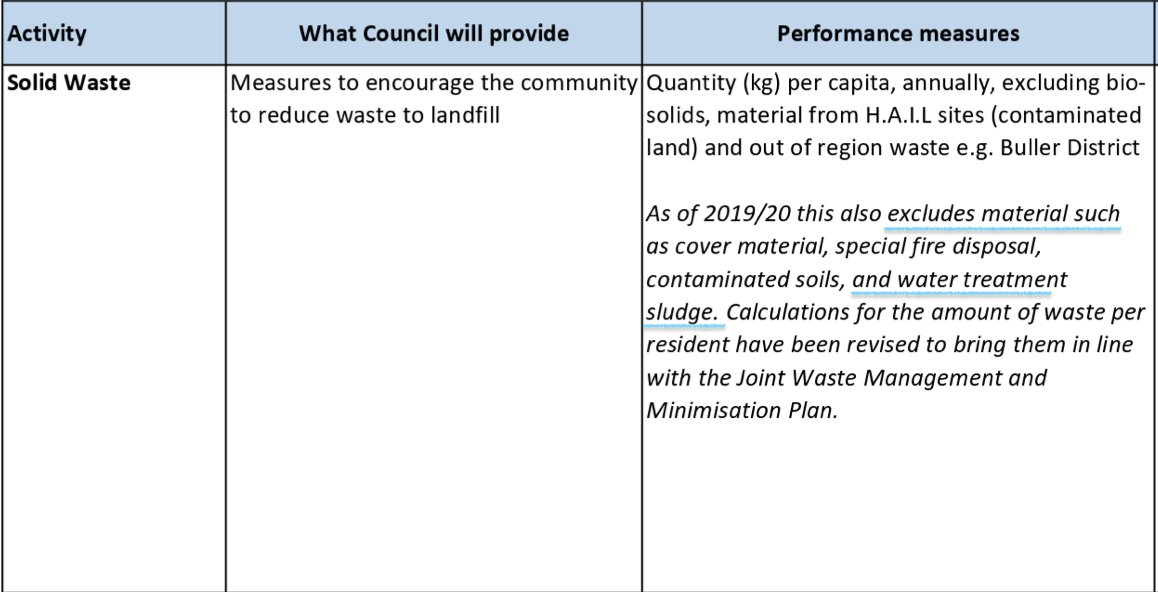
The reality is in a recent waste report we reviewed that local council excluded sending waste water sludge into landfill from it’s waste minimisation strategy.
This is part of why lawyers in New Zealand are saying the climate is greenwashing. The Lawyers for Climate Action NZ, an incorporated group that says it represents more than 300 lawyers, filed proceedings in the High Court arguing the commission's advice does not comply with the legislation.
Suppose there are no certified emissions reductions for our climate projects because there is no baseline established, a large number of emissions reductions programmes could be invalidated because we don't have a comparable baseline.