The 16% GDP Problem: Two Crises, One Solution
How solving energy and sanitation together can unlock trillions in economic value
At Davos this week, former IMF Chief Economist Gita Gopinath delivered a stark warning: "Pollution is a challenge in India, and its impact on the Indian economy is far more consequential than any impact of tariffs imposed so far."
She's right. And it's not just India. Across the developing world, two interconnected crises—air pollution from dirty energy and inadequate sanitation—are silently draining economies of up to 16% of GDP annually. The good news? We can solve both at once.
The Air Pollution Tax on Growth
The numbers are staggering. According to the World Bank study Gopinath cited at Davos, 1.7 million lives are lost every year in India alone because of pollution—that's 18% of all deaths in the country.
The 2025 Lancet Countdown Report puts the monetised value of these premature deaths at $339 billion annually—9.5% of India's GDP. Greenpeace estimates fossil fuel air pollution costs India $150 billion per year, roughly 5% of GDP. In China, the figure reaches 6.6% of GDP. Even the United States loses 3-5% of economic output to dirty air.
As Gopinath noted: "From an international investor's perspective... the pollution holds you back." This isn't just a health crisis—it's an investment deterrent that compounds economic losses year after year.
Globally, air pollution costs $2.9 trillion annually—3.3% of world GDP. It causes 4.5 million premature deaths, 1.8 billion lost work days, 4 million new cases of childhood asthma, and 2 million preterm births. When workers are sick, productivity plummets. When children can't breathe, they can't learn.
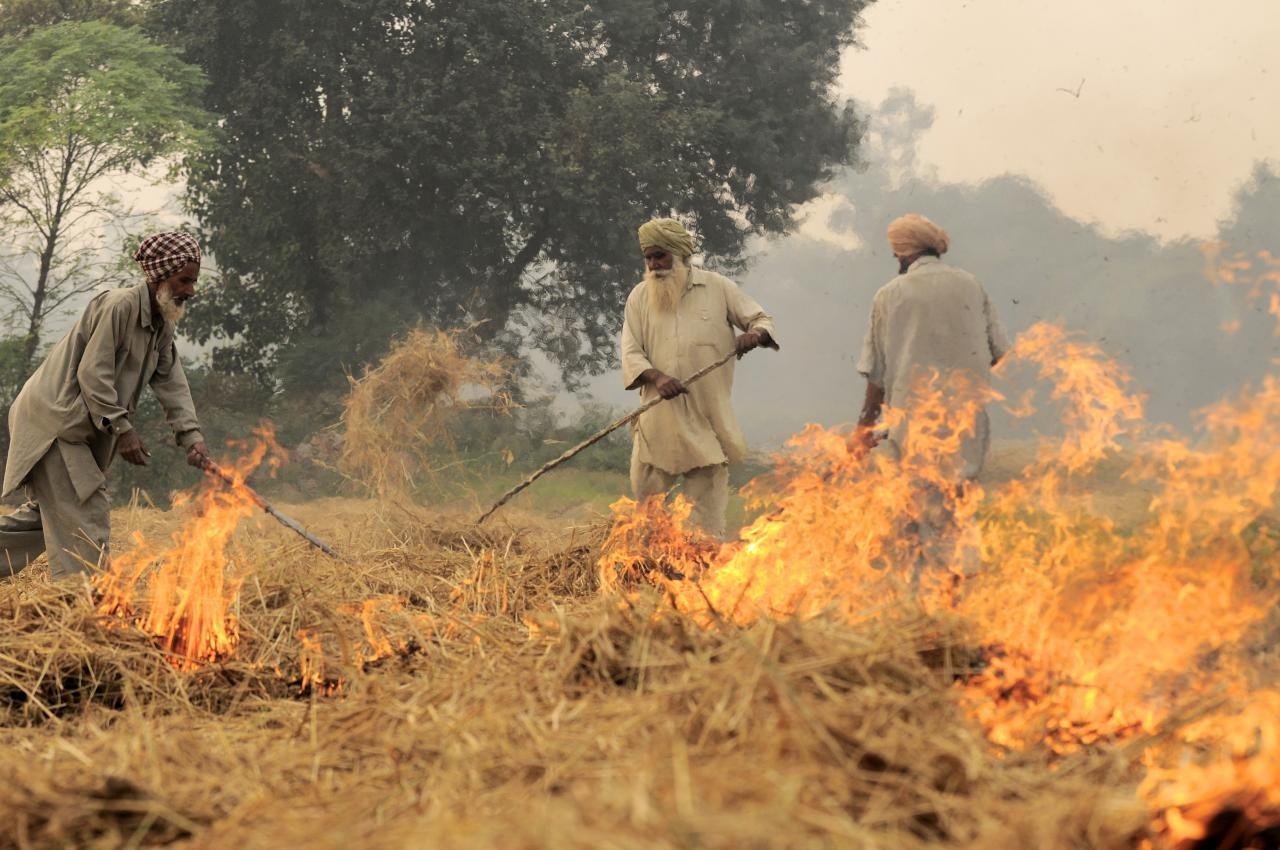
The Sanitation Crisis Hiding in Plain Sight
Meanwhile, poor sanitation silently drains economies across the developing world. India loses 6.4% of GDP to inadequate sanitation—$53.8 billion annually. Lao PDR loses 5.6%. South Asia averages 4% or more.
The toll is devastating: 1.4 million deaths annually from waterborne disease. Children miss school from illness—or skip education entirely to collect water. Cognitive development suffers from chronic illness and malnutrition. Healthcare costs soar. Women and girls bear disproportionate burdens in safety, dignity, and lost opportunity.
The WHO calculates that every $1 invested in sanitation returns $5.50 in economic benefit. Yet sanitation remains one of the most underfunded development sectors globally.
The Combined 16% Problem
Add these numbers together: Air pollution (5-9.5% GDP) + Poor sanitation (4-6.4% GDP) = 10-16% of GDP lost annually to problems that share a common root—and a common solution.
For India specifically, Gopinath's Davos intervention makes clear: pollution alone costs more than tariffs ever could. Combined with sanitation losses, the economic drag is enormous—and largely preventable.
Consider: wastewater treatment plants are massive energy consumers, typically representing 30-50% of a municipality's energy costs. They're also significant sources of greenhouse gas emissions. But what if we flipped the equation?
The Convergent Solution: Waste-to-Energy Infrastructure
Modern waste-to-energy systems transform wastewater treatment from a cost center into an energy producer. By capturing biogas from organic waste streams, these facilities can achieve energy neutrality—or even become net energy exporters.
This convergent approach delivers multiple dividends simultaneously:
- Clean energy production that displaces fossil fuels (reducing air pollution and the deaths Gopinath cited)
- Improved sanitation infrastructure (reducing waterborne disease)
- Reduced municipal operating costs
- Recovered nutrients for sustainable agriculture
- Lower greenhouse gas emissions
- Improved water quality for downstream communities
When you solve both problems together, you don't just add the benefits—you multiply them.
The Investment Case
The Clean Air Act in the United States demonstrated a 30:1 return on investment in pollution reduction. The WHO's sanitation data shows 5.5:1 returns. Infrastructure that addresses both challenges simultaneously represents one of the highest-impact investment opportunities in climate and development finance.
Gopinath urged leaders at Davos to treat pollution "as a mission" for countries like India. She's right—but the mission must encompass the full water-energy-health nexus to capture the complete 16% GDP opportunity.
Countries racing to meet environmental standards—like New Zealand's new Taumata Arowai wastewater regulations—are discovering that compliance requires innovation. The old model of treating wastewater as pure expense is giving way to circular economy approaches that generate revenue while improving outcomes.
Conclusion: The 16% Opportunity
The 16% GDP drag from air pollution and poor sanitation isn't just a crisis—it's an opportunity. For investors seeking both impact and returns. For governments seeking sustainable development paths. For communities seeking cleaner air, cleaner water, and healthier futures.
When one of the world's most respected economists stands at Davos and declares pollution a greater economic threat than tariffs, it's time to listen—and act.
The technology exists. The economics work. The need is urgent. What's required now is the vision to see these problems as connected—and the commitment to solve them together.
Sources: Gita Gopinath (Davos 2026), World Bank, World Health Organization, 2025 Lancet Countdown Report, OECD, Clean Air Fund, Greenpeace/CREA, World Bank Water & Sanitation Program